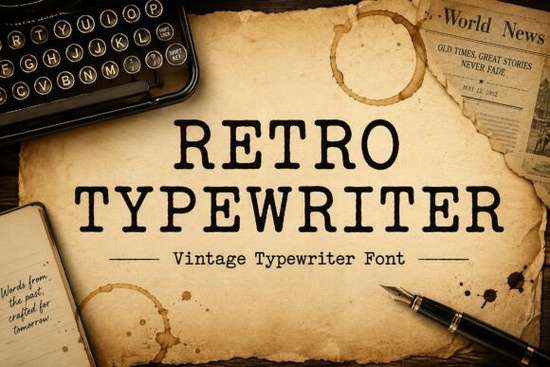
If you’ve ever wanted your designs to carry the warm, tactile feel of a letter typed on an old Underwood or Royal machine, the Retro Typewriter Font might be exactly what you’re looking for. This vintage-inspired serif typeface mimics the slight irregularities and character of real typewritten text without sacrificing readability or modern usability. It’s especially useful for projects that lean into nostalgia, authenticity, or literary charm.
Unlike overly stylized fonts that can be hard to read at small sizes, Retro Typewriter strikes a balance: it’s clean enough for body text in editorial layouts but still carries enough personality to stand out on posters, packaging, or merchandise. The subtle imperfections in its letterforms like uneven baselines or varied stroke weights add realism without distracting from the message.
What kinds of projects work best with this font?
This font shines when you’re aiming for a retro, writerly, or journalistic vibe. Think:
- Vintage-style book covers (especially for mystery, historical fiction, or memoirs)
- Newspaper or zine layouts that want to evoke early 20th-century print
- Branded stationery for authors, editors, or coffee shops with a literary theme
- Print-on-demand products like journals, mugs, or T-shirts featuring quotes or short phrases
- Social media graphics for writers’ communities or retro-themed campaigns
Because it’s a serif font with strong typewriter DNA, it pairs well with minimalist sans-serifs for contrast or with other vintage serifs like Montage or SilkyDusk when building a cohesive retro aesthetic.
How does it compare to other vintage serif fonts?
Not all retro fonts are created equal. Some lean too heavily into decoration and lose legibility; others feel too digital and sterile. Retro Typewriter sits in a sweet spot it feels hand-typed but remains practical for both headlines and short paragraphs.
For example, if you’re designing a detective novel cover, you might use Retro Typewriter for chapter titles and pair it with something like Desevon for the author name to add subtle contrast while keeping the era-appropriate mood. Or, if you’re creating a rustic product label, this font gives you instant heritage appeal without looking like a cliché.
You can explore more options like this through Creative Fabrica’s collection Retro Typewriter Font is part of a broader range of thoughtfully crafted typefaces designed for real-world creative use.
Can I use it for commercial projects?
Yes with proper licensing. Like most fonts on Creative Fabrica, Retro Typewriter comes with a commercial-use license when purchased through their platform. That means you can confidently use it on products you plan to sell, whether it’s printed notebooks, digital templates, or branded apparel.
Just remember: always double-check the specific license terms included with your download, especially if you’re using the font in software, apps, or large-scale merchandise production. Most small business and craft uses are covered, but it’s good practice to verify.
Tips for getting the most out of this font
To make your design feel authentically vintage not just “old-looking” consider these small touches:
- Add texture: Overlay a subtle paper grain or ink bleed effect to mimic aged documents.
- Use monochrome palettes: Black on cream, sepia, or soft gray enhances the typewriter illusion.
- Avoid over-decoration: Let the font’s character speak for itself; extra flourishes often dilute the effect.
- Stick to uppercase or mixed case: True typewriters didn’t have true italics or bold so avoid faux styling in your design software.
And don’t forget: spacing matters. Slightly increased letter-spacing (tracking) can help replicate the mechanical rhythm of actual typewriter output.
Whether you're a print-on-demand seller crafting quote mugs, a small publisher designing chapbooks, or a hobbyist making personalized journals, Retro Typewriter offers a reliable, evocative tool that bridges past and present.
Before you start your next project: Make sure you have the right file formats (OTF/TTF), test readability at your intended size, and consider pairing it with complementary fonts like those found in Creative Fabrica’s serif fonts collection. A little planning goes a long way in making your retro design feel intentional not accidental.
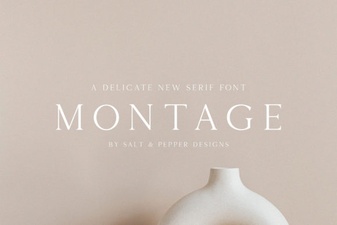 Montage Font: Versatile Design & Project Ideas
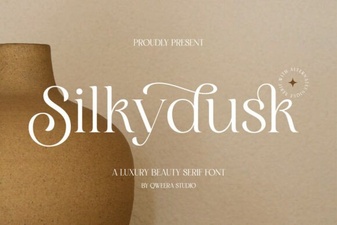 Silkydusk Font for Elegant Designs
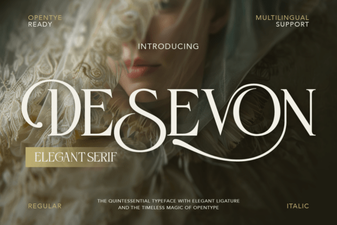 Desevon Font: Modern Design & Creative Projects
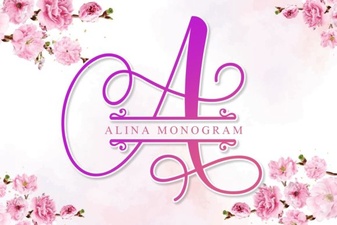 Alina Font: Monograms & Personalized Designs
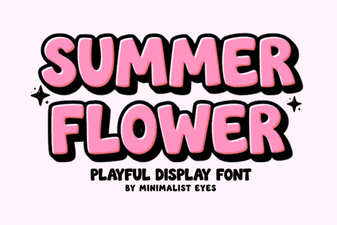 A Creative Font for Your Summer Flower Projects
 Creative Summer Hipster Fonts for Modern Design