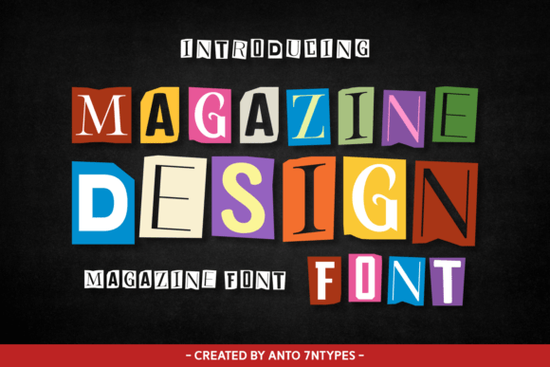
If you’ve ever wanted to add a splash of retro charm and hand-cut personality to your designs, the Magazine Design Font might be exactly what you’re looking for. Inspired by vintage ransom-note aesthetics and classic newspaper clippings, this display font blends playful energy with bold legibility making it especially useful for creators who want their work to feel both nostalgic and fresh.
Whether you're designing book covers, crafting social media graphics, or personalizing print-on-demand merchandise like T-shirts and mugs, Magazine Design brings a cheerful, slightly irreverent vibe that stands out without overwhelming. Its chunky letterforms and uneven baseline mimic the tactile joy of collage art, yet it remains surprisingly versatile for modern branding needs.
What makes Magazine Design different from other display fonts?
Unlike sleek, minimalist typefaces, Magazine Design leans into imperfection as part of its appeal. Each character feels hand-placed, echoing the DIY spirit of zines, indie magazines, and street posters from decades past. That said, it’s not chaotic it’s carefully crafted to maintain readability even at larger sizes, which is why it works so well for headlines, quotes, and packaging.
If you enjoy fonts with strong personalities but still need something functional, you might also appreciate alternatives like Motcha, which offers a bouncy, brush-script energy, or Bloomsy, whose floral-inspired curves bring softness to bold statements. For those drawn to handwritten authenticity, Hello Angela delivers warmth with a casual pen-on-paper feel, while Jake balances friendliness and structure in a clean sans-serif style.
Who should use this font and where?
Magazine Design shines in projects where tone matters as much as typography:
- Book and magazine designers can use it for cover titles or feature headlines to evoke a literary, indie-publishing mood.
- Print-on-demand sellers will find it perfect for quote-based apparel, tote bags, or wall art especially when targeting audiences who love vintage aesthetics or pop-culture nostalgia.
- Small business owners creating Instagram posts, flyers, or product labels can leverage its bold presence to grab attention without needing complex layouts.
- Crafters and hobbyists working on scrapbooks, greeting cards, or digital collages will enjoy how naturally it complements textured backgrounds and mixed-media elements.
Because it’s a display font, it’s best reserved for short bursts of text think logos, banners, or pull quotes not body copy. Pairing it with a clean, neutral sans-serif (like Helvetica or Montserrat) helps balance its exuberance and keeps your message clear.
How does it hold up in real-world use?
In practice, Magazine Design performs well across both digital and print formats. Its high contrast and generous spacing prevent letters from blending together, even when printed small or viewed on mobile screens. That said, always test your final layout: some characters have exaggerated tails or angles that may require slight kerning adjustments depending on your software.
For inspiration, you can explore how others have used similar styles by checking out the original Magazine Design listing on Creative Fabrica, where you’ll find mockups, licensing details, and user examples.
Tips for getting the most out of Magazine Design
To make your project truly sing with this font, consider these practical pointers:
- Use it sparingly. One headline or focal phrase is often enough the font’s personality does the heavy lifting.
- Play with color and texture. Try overlaying it on newsprint backgrounds, grunge textures, or muted pastels to enhance its vintage vibe.
- Avoid all caps for long phrases. While uppercase looks punchy for short words (“SALE,” “NEW,” “READ”), mixed case reads more naturally for sentences.
- Check licensing. If you’re selling products commercially, confirm that your Creative Fabrica subscription includes commercial use (most do, but it’s worth verifying).
Ultimately, Magazine Design isn’t just a font it’s a mood. It invites your audience to slow down, smile, and remember the tactile joy of cutting letters out of old newspapers. If that resonates with your creative voice, it’s worth adding to your toolkit alongside other expressive display fonts like Magazine Design itself or its stylistic cousins.
Next step: Before committing, download a free sample or test it in your design software with your actual content. See how it feels next to your brand colors, photos, and other typefaces. Sometimes, the right font doesn’t just look good it feels right.
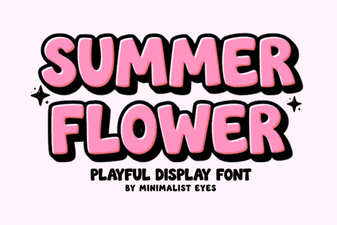 A Creative Font for Your Summer Flower Projects
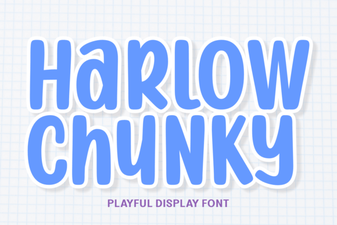 Harlow Chunky Font for Bold, Creative Designs
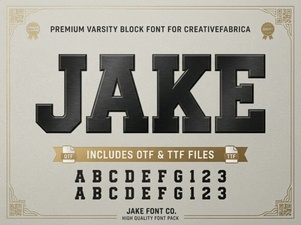 Design Projects & Ideas Using Jake Font
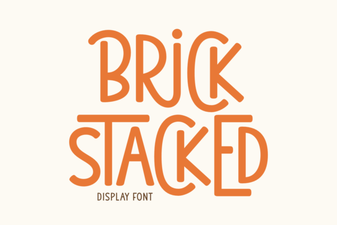 Brick Style Fonts for Bold Digital Designs
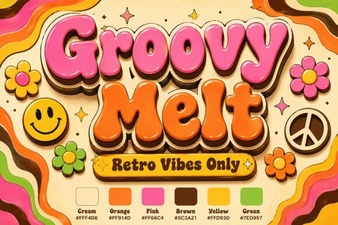 Groovy Melt Font for Retro Designs & Playful Projects
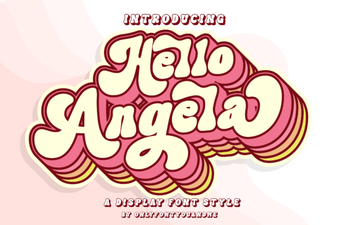 Hello Angela Font: Creative Uses for Free Handwritten Styles