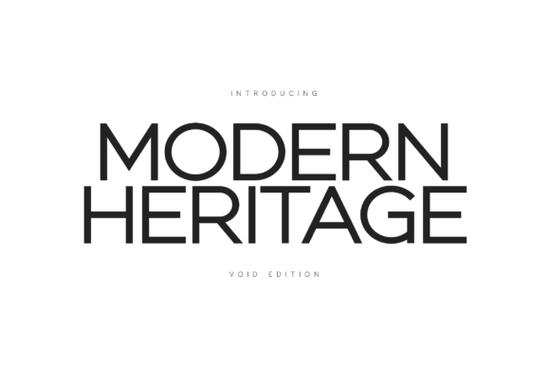
If you're working on a brand identity, packaging design, or even a sleek website layout and need a typeface that balances clarity with quiet confidence, the Modern Heritage Font (Void Edition) is worth a closer look. It’s not flashy but that’s exactly why it works so well for projects where restraint speaks louder than ornamentation.
This high-contrast sans-serif draws from Swiss typography principles: think clean lines, rational spacing, and an emphasis on legibility. But instead of feeling cold or clinical, the Void Edition introduces subtle tension through its dramatic stroke contrast and thoughtful use of negative space. The result? A font that feels both grounded and forward-looking ideal for designers who want their work to appear intentional without shouting for attention.
Who actually benefits from using this font?
While anyone can download and use Modern Heritage, it truly shines in specific contexts:
- Architectural firms often rely on typography that mirrors structural precision this font’s monolinear strokes and open counters support that aesthetic.
- Interior design studios appreciate how it complements minimalist visuals without competing for focus.
- Luxury fashion or beauty brands can leverage its refined proportions to convey sophistication across labels, lookbooks, or e-commerce sites.
- Print-on-demand sellers creating premium apparel, mugs, or posters will find it pairs beautifully with neutral palettes and geometric layouts.
Even small businesses building their first logo or social media kit can benefit. Its generous x-height ensures readability at small sizes, while its crisp forms scale elegantly for headlines or signage.
How does it compare to other modern sans-serifs?
Not all minimalist fonts are created equal. For example, TRT Burn leans into tech-inspired sharpness with angular terminals, while Brisca offers softer curves and a friendlier tone great for lifestyle brands. Mansory, on the other hand, brings bold, condensed energy suited for automotive or luxury goods with a sporty edge.
Modern Heritage sits apart by prioritizing breathability. Its letterforms don’t crowd each other, even in tight compositions. That makes it especially useful when you’re layering text over imagery or working within grid-based designs where white space is part of the message.
What should you keep in mind before using it?
Because of its high contrast, Modern Heritage performs best in digital or high-resolution print environments. Avoid using it at very small sizes in low-DPI settings (like basic flyers or cheap business cards), where thin strokes might disappear.
Also, while it’s versatile, it’s not a “one-font-fits-all” solution. Pair it with a simpler, lower-contrast sans-serif for body text something like Inter or Helvetica Neue to maintain hierarchy without visual fatigue. And because it carries a certain formality, it may feel too restrained for playful or youthful brands.
That said, if your project calls for calm authority, understated elegance, or architectural clarity, this font delivers without pretense.
Practical tips for getting started
If you’re new to Creative Fabrica or exploring premium fonts for the first time:
- Test before you commit: Most listings include character previews and mockups. Use them to see how “A,” “g,” or “R” render details matter.
- Check licensing: Personal and commercial licenses differ. If you’re selling products (like POD items), ensure your license covers redistribution.
- Pair thoughtfully: Try combining Modern Heritage with a serif like Playfair Display for editorial work, or stick to another geometric sans for full minimalism.
- Use optical sizing: If available, choose the display version for headlines and text version for paragraphs it’s engineered for each context.
Fonts like this aren’t just decorative they’re functional tools that shape how your audience perceives your message. When chosen with care, they reduce cognitive load, reinforce brand values, and quietly guide the eye.
Next step: If you’re building a brand kit or refreshing your design assets, download a test version of the Modern Heritage Font and set a few real-world examples: a business card, a product label, and a social post. See how it holds up under your actual workflow not just in a pretty mockup.
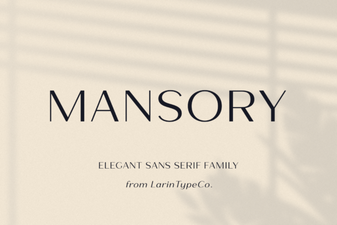 Mansory Font: a Creative Showcase & Design Guide
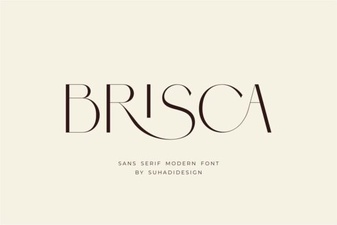 Brisca Font: a Modern Brush Style for Creative Projects
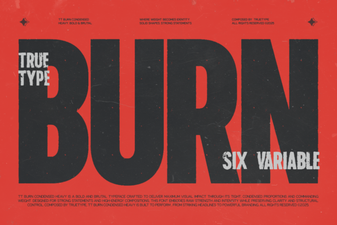 The Trt Burn Font: Creative Ideas and Design Uses
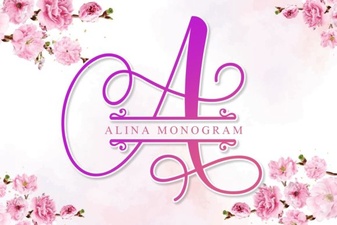 Alina Font: Monograms & Personalized Designs
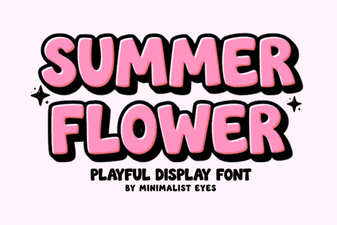 A Creative Font for Your Summer Flower Projects
 Creative Summer Hipster Fonts for Modern Design